
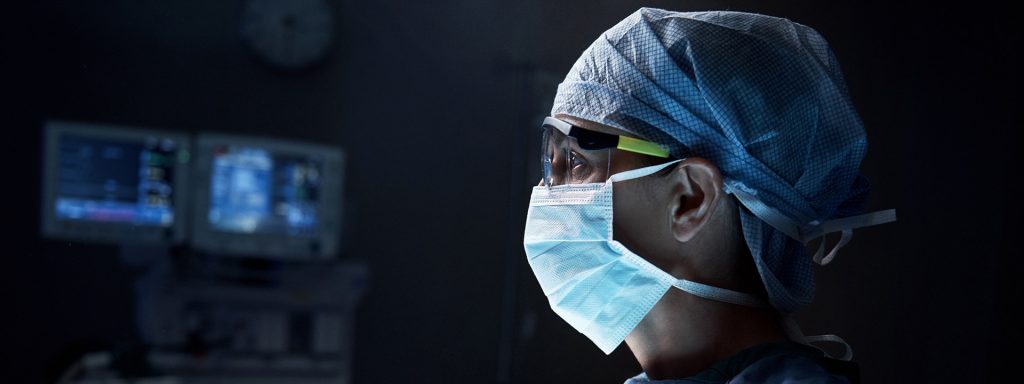
Ask any doctor about the most stressful part of a night shift, and you will rarely hear “the diagnosis.” You will hear about the decisions: who to shift to the ICU first, which bed to free up, whether a patient who looks stable is quietly getting worse. Hospitals run on a constant stream of these small, urgent calls. Now AI is moving into that space, and the question is no longer just what might happen, but what we should do about it.
Knowing versus doing
For the last several years, most healthcare AI has been predictive. It looks at scans, lab values and patient history, then estimates a risk: this patient may develop sepsis, that one may be readmitted soon after discharge, this scan shows a suspicious shadow.
That is useful, but it leaves a gap. A high risk score tells you something is wrong. It does not tell you whether to start antibiotics now, order another test, call a specialist or simply keep watching. The clinician still has to translate that score into action, usually while managing a full ward of other patients.
Prescriptive AI tries to close that gap. Instead of stopping at “this patient is likely to deteriorate,” it suggests the next step: adjust the dose, escalate the level of care, schedule the surgery earlier, or discharge someone safely today so the bed can go to a patient who needs it more.
Why hospitals are paying attention
The pressure is real. Conditions like sepsis remain among the biggest killers worldwide, and much of that toll comes down to timing. Every hour of delay in treatment matters, and the early signs are easy to miss on a crowded ward.
Then there is the workforce problem. Health systems across the world are facing a serious shortage of doctors, nurses and other health workers, and the gap is expected to persist for years. In many countries, including ours, clinicians are already stretched thin. When a physician is covering far more patients than is ideal, a system that can say “look at this patient first” is not a luxury. It could be the difference between catching a problem early and catching it late.
Prescriptive tools can also help behind the scenes. They can suggest how to schedule operating theatres, predict which departments will be overloaded tomorrow, and recommend how to move staff and beds around before the crunch arrives. Not every life-saving decision happens at the bedside. Many happen in the planning.
The promise, and the catch
It is easy to get excited. A system that learns from vast numbers of patient journeys can notice patterns no single doctor could see in a lifetime of practice. It does not get tired in the middle of the night. It does not forget the guideline that was updated last month.
But recommending an action is a very different level of responsibility from predicting a risk. A wrong prediction can mislead. A wrong recommendation can harm. Several things need to be true before hospitals can lean on these systems with confidence:
- The data must be good. AI trained mostly on data from large urban hospitals may behave poorly in a small district facility. If the training data misses certain age groups, regions or communities, the recommendations will quietly carry that bias forward.
- The reasoning must be visible. A doctor is far more likely to trust, and correctly question, a suggestion that says “recommended because oxygen levels have dropped and lactate is rising” than one that simply says “escalate.”
- Alert fatigue is a real danger. Anyone who has worked in a hospital knows how quickly people start ignoring beeping systems. If prescriptive AI sends too many unnecessary nudges, clinicians will tune it out, and the alert that truly mattered may go unnoticed.
- Accountability must be clear. If a recommendation goes wrong, who is responsible? The doctor who followed it, the doctor who ignored it, or the hospital that deployed it? Our laws and hospital policies are still catching up with that question.
A co-pilot, not a captain
The most realistic future is not one where an algorithm runs the hospital. It is one where AI acts as a sharp, tireless assistant, offering a second opinion, flagging what might be missed and suggesting options, while the doctor makes the final call.
That distinction matters beyond safety. Medicine is not only about data. A doctor sitting with a frightened family, weighing an elderly patient’s wishes against what the numbers suggest, is doing something no model can replicate. Prescriptive AI can tell you what is likely to work. It cannot tell you what a particular person, with their fears and values, would actually want.
So, will AI start recommending the next hospital action?
In many places, it already has, quietly, in scheduling, triage support and early warning systems. The real question is how far we let it go and how carefully we build the guardrails.
The hospitals that get this right will likely share a few habits. They will start small, test recommendations against real outcomes, keep clinicians firmly in the loop and be honest about what the technology cannot do. They will treat AI as a tool that earns trust over time, not one that demands it on day one.
The shift from predicting to prescribing is a big one. Done thoughtfully, it could give overstretched healthcare teams something they badly need: a little more time, a little more clarity and more chances to act before it is too late.

Authored by Surjeet Thakur, CIO at Rajagiri Hospital Kochi